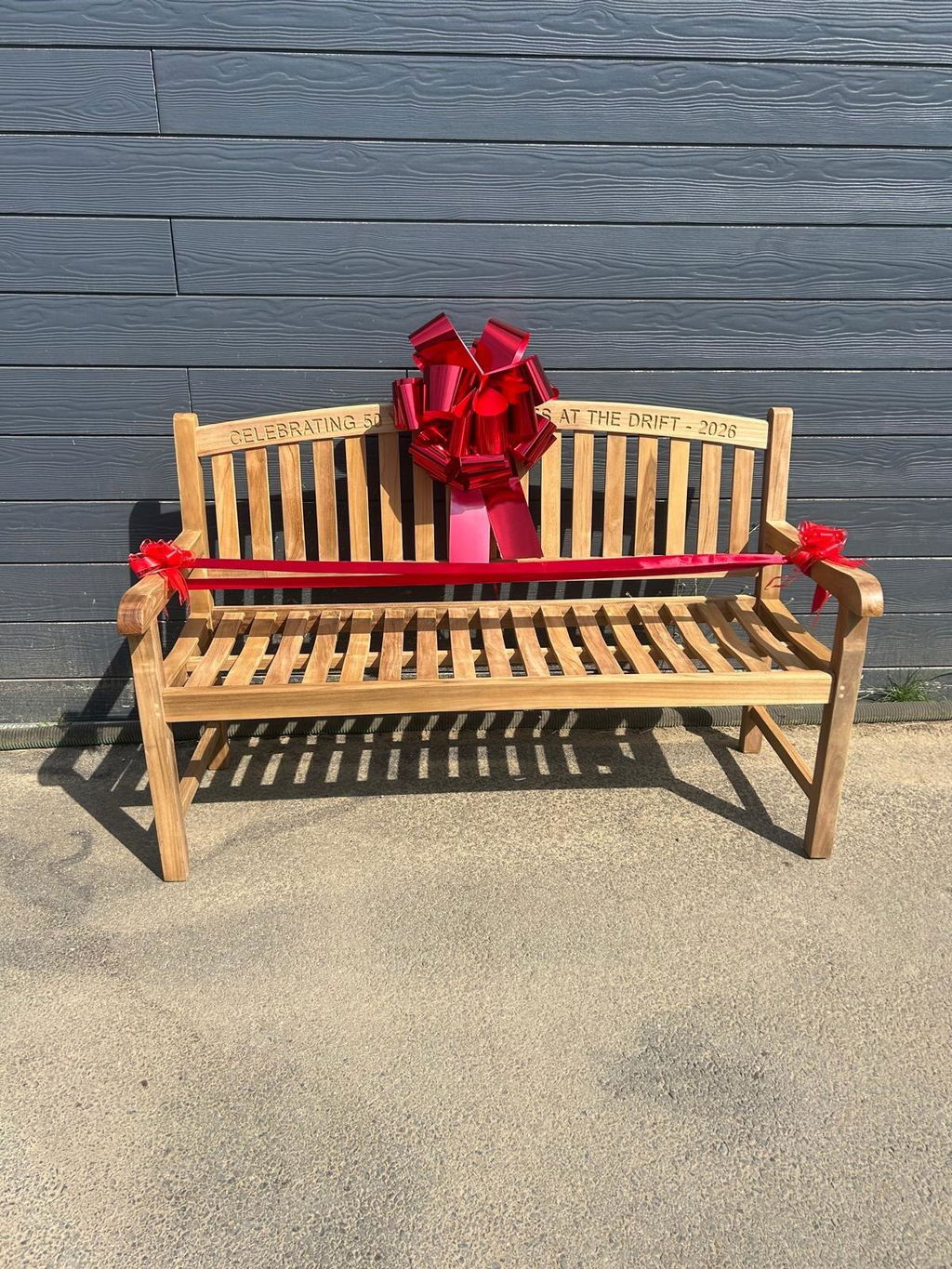
Teak Garden Bench Ageing Process

images showing the teak bench silvering ageing process


Timber Naturally Adjusts To Changes In Climate

When your garden bench arrives, it will be beautifully fine sanded with a rich, light golden hue. Over time, you’ll notice a gentle transformation a perfectly natural process known as bench ageing or silvering. The Wealden Bench Difference ~ Personalisation, Expertise and Trust.


Ageing Gracefully

This gradual change is nature’s own way of protecting the timber through oxidation. As the months pass, your bench’s colour will soften from its initial honey-brown to a pale cream, and eventually to a graceful silver patina. The exact pace of this change depends on your bench’s unique surroundings and exposure to the elements but rest assured, this is entirely normal and part of what makes teak such a remarkable wood.


Understanding Fine Lines and End Grain Movement

You may also notice subtle fine lines or slight end grain movement around the arms and frames, where the natural growth rings are visible. These are normal characteristics of genuine hardwood.


Teak, like all natural timber, gently responds to changes in weather. During damp periods, it absorbs moisture and swells slightly; in warmer, drier spells, it releases that moisture and contracts. This natural rhythm can create small, hairline cracks, a harmless and temporary sign that your bench is breathing with the environment.

Adding Natural Character

These natural movements do not affect the strength, performance, or long life of your garden bench. Instead, they enhance its unique character, ensuring that your bench weathers beautifully and develops a timeless, distinguished appearance over the years.

If you have any questions about the natural ageing process of your garden bench, please don’t hesitate to contact our friendly team on 01580 201518  we’ll be delighted to help.


3 images showing end grain cracking and fine line cracking on teak wooden memorial benches